

Science, Stewardship, and Florida Sunshine: My Takeaways from the US Roundtable for Sustainable Beef 2026 General Assembly
What an incredible week in Tampa, FL! I just returned from the U.S. Roundtable for Sustainable Beef (USRSB) General Assembly, and I am still buzzing from the energy of this group. There is something so inspiring about being in a room where every sector of the beef supply chain—from ranchers and scientists to processors and retailers—comes together with one shared goal: making sure the beef industry we love is here for the long haul.
Attending as a Midan representative is always an honor, but this year felt special. The theme was “Science & Stewardship: Driving Progress,” and the shift in momentum was palpable. We aren’t just talking about “what if” anymore; we are seeing the results of years of hard work. Whether we were out on the ranch tours or inside the session halls discussing industry sustainability goals, the message was clear: we have a phenomenal story to tell, and we have the practices and data to back it up. Keynote speaker Adam Putnam, Ducks Unlimited CEO, stated it perfectly, “More than any other agricultural commodity, the beef industry is most poised to champion sustainability.”
I’m so excited to share a “behind-the-scenes” look at my time at the General Assembly through this photo blog. From deep-dive panels to connecting with industry friends, here are my highlights from an unforgettable week.
Getting Our Boots Dirty at Lonesome G Ranch
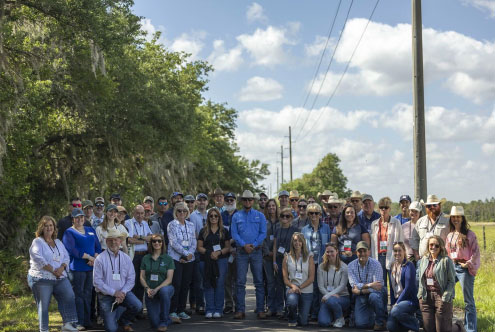
You can’t talk about sustainable beef without starting with the families who steward the land and animals! I kicked off the General Assembly by leaving the conference rooms behind and heading to Lonesome G Ranch. There is nothing like hearing a first-hand account of the conservation work happening on the ground that has kept this 6th generation ranch operating for over 100 years! It was the perfect reminder that sustainable stewardship isn’t an abstract idea; it is happening right now, out in the field, every single day.
Working With the Land, Not Against It
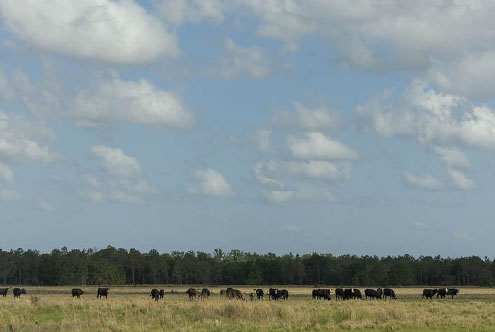
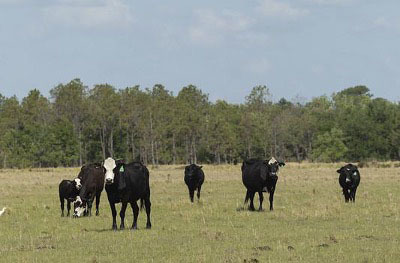
During our tour, we learned how ranchers use a mix of rotational grazing and seasonal controlled burns to keep the soil nutrients high and the pastures healthy. It’s a delicate balance of managing the “Big Three”—cattle, water, and wildlife– as the three work together to be most sustainable. From protecting natural water streams to performing regular surveys for resident eagles and tortoises, this ranch is a living example of how cattle production and endangered species protection can go hand-in-hand.
History in the Grazing
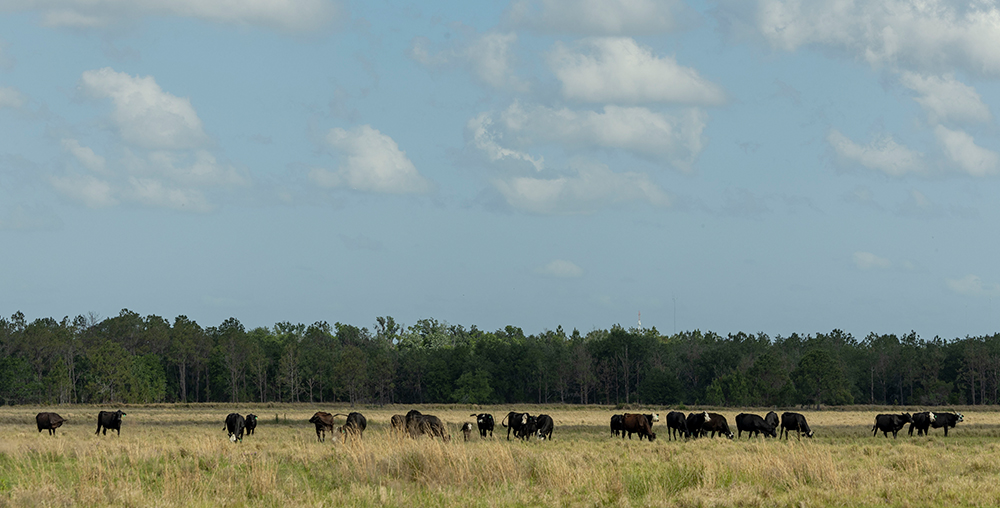
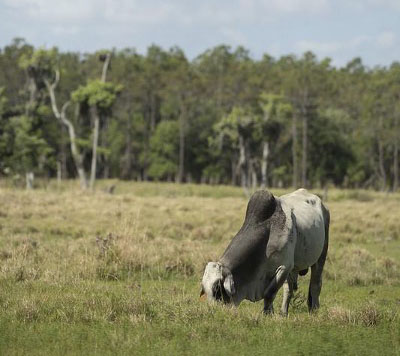
There is something so special about the cattle at Lonesome G Ranch. Their Brangus and Braford herds carry bloodlines that trace all the way back to the original Florida “Cracker cattle” brought over from Spain centuries ago! Seeing these hardy animals graze on native Bahia grass under the shade of planted pines was a beautiful reminder of how deep the roots of Florida ranching go. Sustainability here isn’t just a new trend; it’s about honoring a legacy that has thrived in this environment for years and continuing to do so for future generations to come.
Diversification in Action: From Citrus to Olives
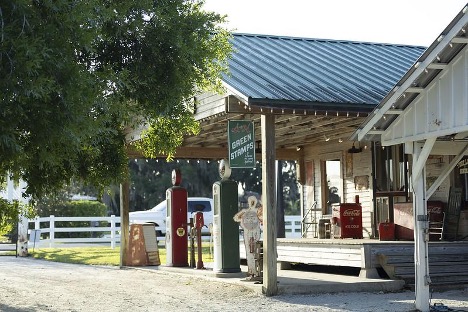
If you want to see what a resilient agricultural business looks like, look no further than Lonesome G’s agritourism and crop history. They’ve incorporated agritourism by creating a beautiful venue for the public that takes you back in time through the doors of this 1940s general store.
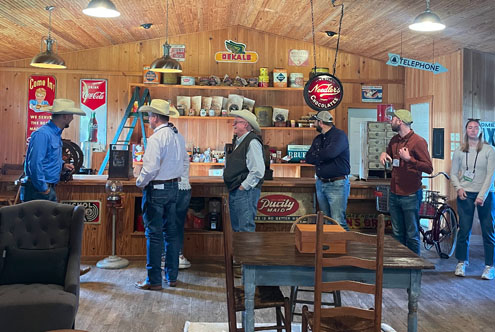
This ranch is a masterclass in adaptation! They started in citrus, transitioned to a blueberry farm, and today, they’re successfully producing olives and peaches alongside their cattle. Seeing how they’ve integrated these specialty crops with their beautiful general store and event spaces shows how modern ranches are finding creative, sustainable ways to diversify their income and invite the public to experience firsthand where their food comes from.
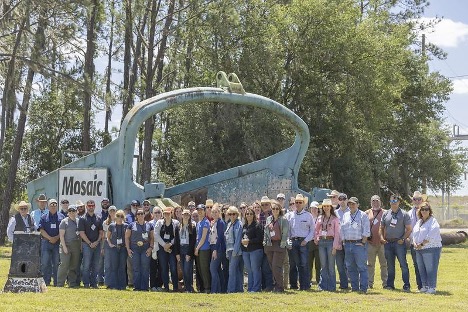
Sustainable Roots: Mining for the Future of Food
Next we headed to the Four Corners Mine. This tour was such a fascinating shift in perspective! It really highlighted how “sustainability” isn’t just about what happens on the pasture, but how the entire infrastructure of agriculture-from fertilizer to feed–works together.
Did you know that some of the most critical components for global food production start deep underground in Florida’s “Bone Valley” where they mine ancient seabeds that consist of whale bones and shark teeth?
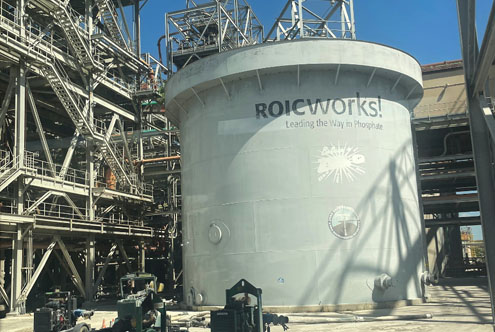
Our tour of the Mosaic Four Corners Mine was eye-opening. Their mission is simple but impactful: Help the world grow the food it needs. Since we aren’t “making” any more land, the focus here is on making our current acres as productive and profitable as possible. Seeing the scale of this operation reminded me that beef sustainability starts long before the cattle ever hit the grass—it starts with the nutrients that help that grass grow!
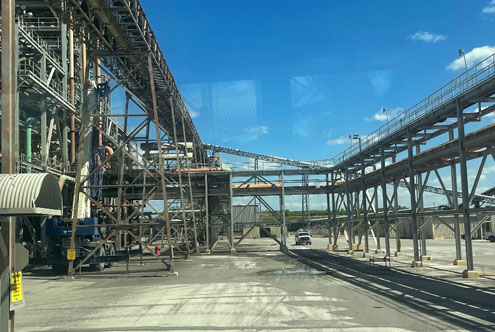
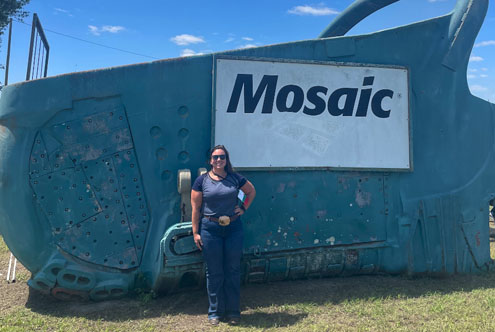
I was blown away by everything from the mining process to the level of environmental care at the Four Corners Mine. Not only does the plant recycle 95% of its water, but they have a brilliant system for land use. Before and after mining, Mosaic often leases the land to cattle operations, keeping the acres managed and productive throughout the entire lifecycle. With rigorous environmental impact analysis to protect resident species, it’s a perfect example of how heavy industry and agriculture can partner to respect the land while feeding a growing planet.
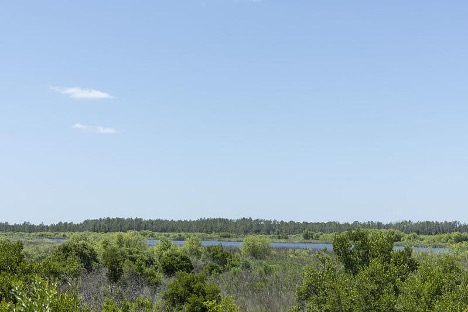
From Mine top Marsh: A 500-Acre Success Story
If you didn’t know this was a former mine site, you’d never guess it! We wrapped up our tour with lunch at a stunning 500-acre reclaimed wetland that was being mined just over a decade ago. Today, it’s a thriving sanctuary for some of Florida’s most vulnerable species, from the Gopher Tortoise to the Florida Burrowing Owl. Seeing this transformation firsthand was a powerful testament to what happens when “Science & Stewardship” are put into practice. It’s not just about what we take from the earth; it’s about leaving the land better than when we found it.
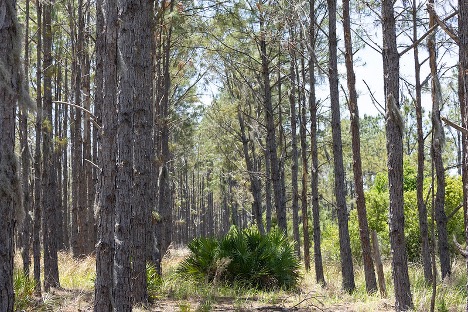
One of the coolest facts we learned about the mine is that every single employee goes through specialized wildlife training! Whether it’s the Indigo Snake or the Florida Scrub-Jay, Mosaic is serious about protecting the 67 endangered species found in the area. Walking through these reclaimed wetlands, it was clear that the “stewardship” part of our industry’s mission extends far beyond the cattle. It’s about a holistic approach to the land that ensures Florida’s unique biodiversity—and its agriculture—can thrive side-by-side.
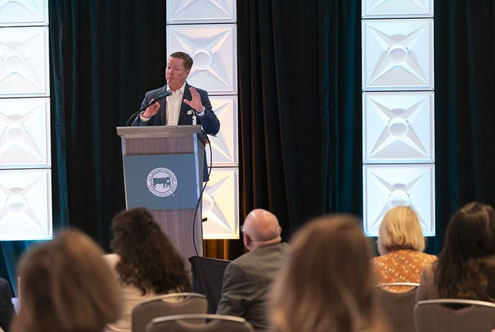
One Table, One Mission
There is no other event quite like the USRSB for bringing the entire supply chain together. In the breakout sessions, we had company representatives from Walmart and McDonald’s sitting right next to cow-calf producers and packers. The big conversation? Stewardship together. It’s not always easy work, but the willingness to collaborate and share lessons learned across the sectors is what makes this group so effective. We’re all in this together!
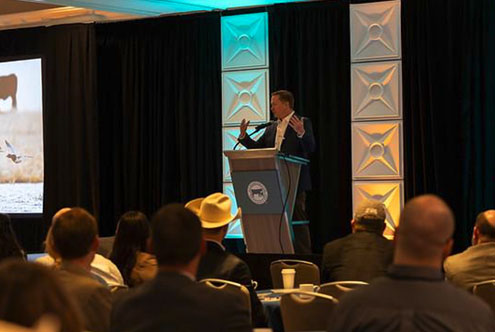
Keynote speaker Adam Putnam, CEO, Ducks Unlimited
Ensuring a Vibrant Future
One of my favorite “aha!” moments came during our keynote on generational succession. As we look at the 2030 goals, we have to remember who will be hitting those targets—the next generation of cattlemen and cattlewomen. The discussion centered on how sustainability isn’t just an environmental necessity; it’s an economic one that makes ranching a viable, exciting career for the future. Leaving the session, I felt more optimistic than ever that the beef industry is in very capable hands.
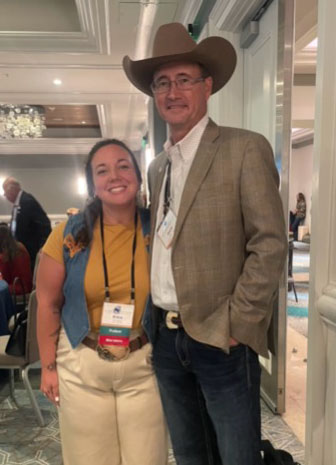
I couldn’t pass up the opportunity to get a picture with champion and leader in sustainable ranching practices, Gene Lollis.
Gene is the manager of Archbold Buck Island Ranch and attended the assembly as a speaker and moderator of sessions.
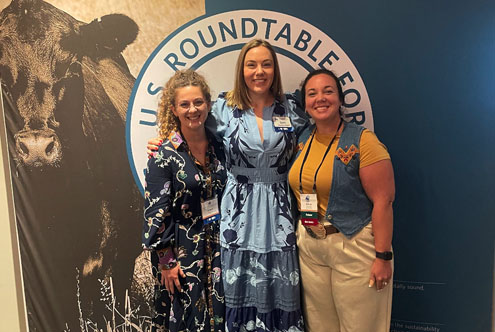
Midan is a partner of USRSB, and I’ve so enjoyed working alongside these wonderful ladies to help further beef sustainability. Samantha Werth, Executive Director USRSB, and Grace Vehige, Communications Director.

As the sun set over the Tampa coastline during our rooftop reception, it was the perfect moment to reflect on everything we’d accomplished over the last few days. Leaving this year’s General Assembly, I’m not just walking away with a notebook full of stats, I’m leaving with a renewed sense of pride in our industry. From the deep-rooted heritage at Lonesome G Ranch to the cutting-edge reclamation at the Four Corners Mine and the high-level strategy in our general sessions, it’s clear that when science and stewardship meet, the entire beef supply chain wins.
Thank you to the USRSB for hosting such an energizing event. I’m already looking forward to keeping this momentum going and seeing everyone again next year!

Mark your calendars! The 2027 USRSB General Assembly is headed to Spokane, WA from April 27–29, 2027. Want to dive deeper into the work being done? You can explore the latest in beef sustainability and learn how to get involved at USRSB.org.
Let’s keep driving progress together!