

Media training is no longer an optional piece of your public relations strategy, but the cornerstone of a prepared media strategy that can protect and elevate your brand’s reputation. Good media training allows you to tell your brand’s story on your terms in every interaction with members of the media.
What is Media Training?
Media training involves an interactive session created by public relations professionals tailored specifically to the needs of your company. It is designed to arm your spokespeople with the skills and confidence to engage strategically and effectively with the press.
Media training covers a broad range of scenarios to ensure spokespeople are prepared for any event that may put your brand in the spotlight. This training benefits spokespeople not only in the event of a crisis, but for positive news as well. Spokespeople can take center stage to promote a key product launch, new plant opening or at industry tradeshows like the Annual Meat Conference.
Identify Your Spokespeople
Finding the correct people in your organization to meet the moment is pivotal. Often, media training needs to extend beyond members of the C-suite. Executives are often the face of a company in a crisis. In other moments, the best spokesperson might be an employee with a specific expertise. For example, a lead engineer, a product development manager or other subject matter expert may all have times where they can be tapped to speak with media. Identifying the right person to fit the moment is crucial.
At the end of the day, preparing a bench of spokespeople is the best bet to ensure your brand can reach into their arsenal and activate the correct individual at any moment.
Key Strategies for Interview Confidence
Through media training, future spokespeople will learn several strategies that will make them feel confident in any interview setting.
- Message development: Spokespeople will be offered tips and strategies to get their message across to the target audience without getting misconstrued or potentially tripped up by a reporter’s questions. Understanding how to communicate the key message effectively allows brands to own the moment on their own terms.
- Interview techniques: The goal of a spokesperson is to deliver on the key message without much filler. They will learn interview skills like:
- Handling different interview formats including print, broadcast and radio.
- Beginning every conversation with the most important message.
- Blocking a difficult question and bridge to shift the focus back to the message.
- Emphasizing key takeaways to a reporter.
- Crisis Communication Prep: Media training prepares spokespeople to respond instantly when a crisis arises. Crisis training arms them with the techniques needed to respond in a high-pressure situation and gives them the confidence to set ground rules with reporters before and, if necessary, during a conversation.
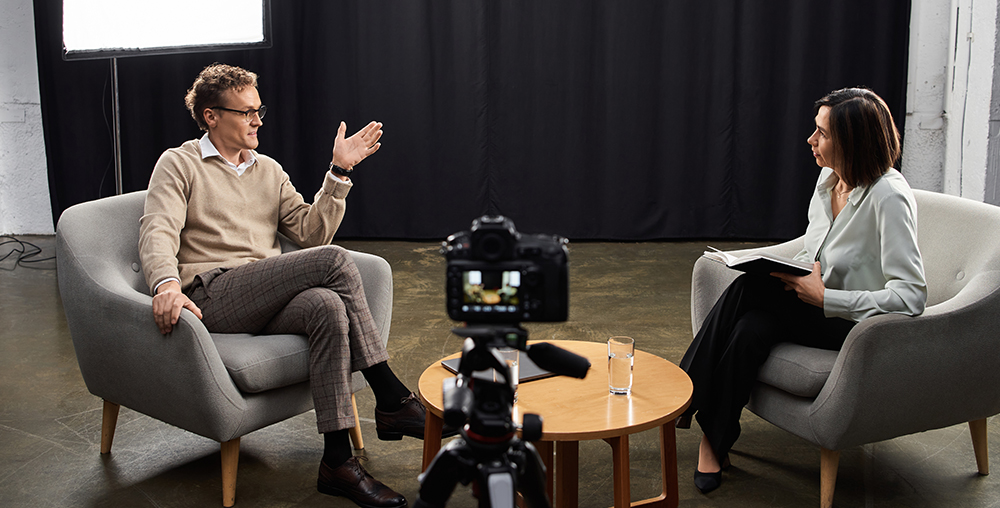
- On-camera presence: Although digital platforms dominate much of the news, on-camera interviews remain a key format, especially when communicating major news or responding to a crisis. Members of the C-suite and high-level executives can participate in specialized on-camera training, which features mock interviews conducted with the same lighting and cameras they would face in a real-life situation. This is coupled with real-time feedback from public relations experts that the spokesperson can employ during real interviews.
Media Training Yields Longterm Success
Investing in media training gives you the opportunity to amplify and safeguard your brand. How does a simple media training session get this done?
- Own the Narrative: Media training empowers spokespeople to successfully articulate and drive your brand’s narrative, ensuring your target audience hears your story, told in your words.
- Creates Confident Spokespeople: Spokespeople gain the ability to answer tough questions while staying composed in high-stress situations. This composure projects credibility and authority. This training also creates a sense of ease when handling media inquiries outside of a crisis.
- Everyday Opportunities: The majority of interviews spokespeople need to prepare for are opportunities to promote your brand, announce milestones and reinforce your mission. Many of these opportunities arise from proactive media pitching from a representative of your brand. Training ensures spokespeople can maximize every opportunity to showcase your brand in a positive light.
- Crisis Readiness: When a crisis hits, the ability to respond quickly and effectively is paramount. Trained spokespeople can minimize reputational damage by delivering a consistent, authoritative message from the start.
- Consistency: Training allows companies to align their message. It ensures every spokesperson is delivering the same information, eliminating confusion both internally and externally.
Costs of Foregoing Media Training
The potential costs of skipping media training and the reputational damage that can occur as a result far outweighs the investment required to prepare. Consequences range from a simple miscommunication of information to significant reputational damage. Employing an untrained spokesperson (or no spokesperson at all) can result in:
- Miscommunication: Poor phrasing, unintentional slip-ups or offering too much (or too little) information can turn into an unfortunate headline.
- Social media backlash: Employing an unprepared spokesperson can result in an unfortunate error that can be instantly amplified and dissected across social media.
- Loss of trust: When spokespeople communicate incorrect information, appear evasive or cannot answer questions effectively, a brand runs the risk of alienating their audience, business partners and stakeholders.
The Ultimate Competitive Advantage
Media training transforms every moment into an opportunity to elevate your brand and give you the knowledge to confidently respond to requests in any situation. Preparation is the greatest tool in a brand’s toolbox and can even be a competitive advantage. If you aren’t prepared to handle an interview, there is almost certainly a competitor who is.
Don’t wait for a story to break to start media training. Reach out to us to learn more about our customized training programs and ensure your brand is ready for the spotlight.