


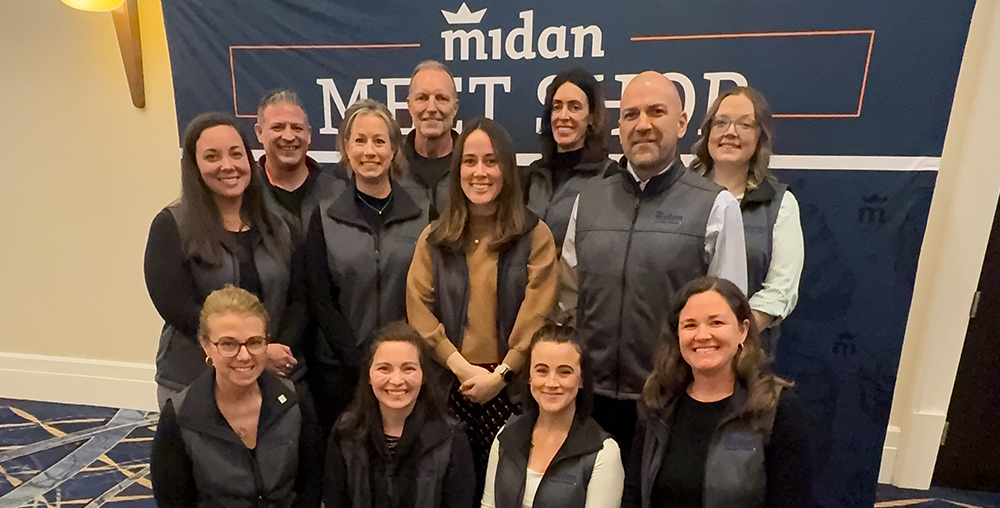
The dust has settled on another Annual Meat Conference, and we have returned home full of insights. It was invigorating to reconnect with so many of you at the industry’s ultimate “family reunion.”
Now, it is time to map out what lies ahead. Once again, we are bringing you our top 10 takeaways from the conference. Whether you attended the sessions alongside us or navigated from afar, consider these insights your strategic compass. Use this guide to chart a bold new course for your business.
1. Protein Demand Predicted To Remain Strong
The terrain of the meat case is shifting, but consumption has become noticeably less volatile. Shoppers are anchoring their diets with protein, making meat a reliable, everyday staple.
Here’s the latest market outlook:
- Beef: We are experiencing all-time low cattle inventories, though total pounds available remains surprisingly stable, thanks to production efficiencies. While a herd rebuild won’t likely start until 2027–2028, consumer demand is holding strong, especially for ground beef. Most notably, shoppers are moving toward premiumization, as part of the industry’s massive quality shift from commodity Select to high-quality Choice and Prime grades.
- Pork: Pork is aggressively carving out its share of the plate. The brightest spot is the export market, which is anticipated to surge to record-breaking volumes in 2026. Production costs have largely leveled out and productivity is high, but the industry must remain vigilant against supply risks from potential diseases.
- Poultry: The poultry sector continues on a steady path but faces distinct headwinds. To counter supply constraints, ongoing flock health challenges, and export complications, the industry is strategically shifting its focus toward producing larger birds.
A word of advice: continue to be prepared for some setbacks with trade chaos and inflation, but know things are looking optimistic. Consumers are proving they always find a way to purchase meat, and the industry will always find a way to get meat on consumers’ plates.
2. Meat is the Ultimate Protein Solution – ‘From Villain to Vital’
The message across the industry is loud and clear: Consumer demand for protein is surging. We heard this echoed consistently throughout the conference, from the Secretary of the U.S. Department of Health and Human Services, Robert F. Kennedy’s insights on the new dietary guidelines to the Power of Meat session, among others. The door is wide open for the industry to boldly position meat as the premier bio-available protein source. We must move beyond simply calling out “protein” on the package; it is time to actively educate consumers on exactly how meat-derived protein is superior at optimizing their body’s function.
This isn’t a fleeting trend. Shalene McNeill, Ph.D., RDN, a nutrition scientist and registered dietitian with the National Cattlemen’s Beef Association, confirmed that protein demand will remain a top focus due to several converging factors:
- A renewed consumer priority on whole foods and nutrient density awareness.
- Evolving goals surrounding weight management and muscle health.
- The rising impact of GLP-1 medications.
- The implementation of new dietary guidelines.
According to the 2026 Power of Meat report, 81% of consumers proudly identify as meat eaters. Even more telling, 42% are actively focused on consuming more protein than they did just five years ago.
GLP-1 weight loss drugs are transforming grocery shopping habits, reducing overall shopping volume while making protein a top priority. Consumers on these medications are looking for smaller portion sizes and higher nutrient density, creating opportunities for smaller premium packages and meat snacks.
Natural protein foods actually stimulate the exact same satiety hormones that weight-loss drugs replicate. Educate your consumers on these powerful benefits!
Our mandate as an industry is clear: We must take charge of the health and nutrition narrative and ensure consumers consistently turn to meat as their primary protein source over alternatives such as protein pancakes, protein popcorn and protein shakes. Educate them on meat’s uniquely powerful nutritional benefits including specifics about animo acids and nutrient density.
3. Generational Shifts Change Consumer Targets
At the end of the day, it all comes down to everyone’s “boss” – the consumer. Midan has been preaching consumer insights for years with Consumer Segmentation, so we were naturally very excited to see this topic becoming more of an overall focus. More change is coming: After 30 years of boomers representing the majority share of spending, millennials are poised to take over the top spot within two years.
Millennials and Gen Z, many of which are in our Connected Trendsetter and Claim Seekers segments, will become the meat case’s majority spenders, and they don’t shop like their parents. Staying current with consumer demands and trends can keep your brands top of mind.
During the “Lamb Session: From Carcass to Case”, our co-founder and strategic advisor, Michael Uetz, showed exactly how this can be done by diving into consumer segmentation for lamb consumers. Forty-seven percent of lamb consumers fell into Midan’s Connected Trendsetters segment. Taste and flavor were reported by 64% of respondents as the reason they like lamb.
How to win them over:
- Utilize social channels and influencer partnerships to actively educate the next generation of shoppers. Capturing the momentum of viral, trending recipes can have a massive impact on your brand’s growth and visibility.
- Offer complete meal solutions cross-merchandised in store. While national meal kits face “subscription fatigue” and for some, packaging guilt, local retailers can offer fresher, cheaper and more sustainable meal-kit alternatives.
4. Inflation Strategy is Now a Value Equation
While economic stress is an everyday reality, the meat case is proving remarkably resilient. The 2026 Power of Meat report reveals 92% of consumers are concerned about grocery prices. Shoppers are actively recalibrating their purchasing habits to stretch their grocery dollars. Yet, despite inflation concerns, meat has held its status as a strict, non-negotiable budget priority for today’s households.
Leo Feler, Chief Economist at Numerator, emphasizes that meat consumption is now so deeply normalized and integrated into consumer diets that the category remains highly resilient even during economic downturns. Rather than sacrificing their protein intake, consumers are actively choosing to reduce spending on other items (think household appliances) just to ensure they can keep meat on their plates. Some consumers may trade for different cuts or shop different stores, altering their normal routine, but they are still finding a way to keep meat on the plate.
The opportunity lies in cross-channel agility; since shoppers are willing to switch stores or cuts to keep meat in the cart, brands must prioritize visibility and value-added messaging to maintain loyalty.
5. Grinds Reign Supreme
Fresh meat had a banner year, with ground beef as the number one item for new dollars, according to the 2026 Power of Meat Report. Ground beef is an astounding driver for the industry, representing 85% of total ground sales. With 51% of consumers identifying “price per pound” as the top factor when purchasing meat, ground beef offers affordability along with versatility.
According to Victoria Fitzgerald of Whole Foods Market, Inc., during the “Lamb: From Carcass to Case” session, grinds are also being utilized as a “gateway drug” to introduce consumers to less familiar proteins, like mixing ground lamb with ground beef to build flavor confidence. Consumers already know how to cook ground beef, so it’s the perfect segway into a less familiar protein. Our own Michael Uetz also expanded on this point during the lamb session. Lamb grinds are up 13.3% in dollar sales over last year. Consumers are not just sticking with beef grinds but looking for variety too.
Don’t just sell ground beef as a commodity, position it as a culinary foundation. Whether it’s a budget-friendly staple or a familiar bridge to other proteins, the grind is your most versatile tool for protecting market share.
6. Packaging Innovations and Value-Added Products Bring Convenience and Lighten the Mental Load
Offering a variety of package options and value-added products is essential to meeting evolving consumer needs. Know your audience! According to The Power of Meat 2026 report, 31% of consumers are buying bulk packages when on sale, while 27.8% are opting for smaller package sizes to keep immediate costs down. Consider bundling small package options like four for $20 to encourage consumers to purchase more.
Convenience is of optimal importance. Many shoppers are shifting toward smaller, premium packaging due to dietary habits and smaller households; however, some consumers are looking for bulk packaging to save. Forty-one percent love packaging that keeps it fresh/good longer and 36% say they want freezer ready packaging.
Value-added products can help consumers with the mental load and the prep work of “what’s for dinner” (and breakfast and lunch and a snack). Many consumers want a healthy, affordable meal cooked at home but need shortcuts to make that happen on busy weeknights.
Ongoing focus on convenience product innovation will earn your products a permanent spot in the shopper’s meal rotation.
7. Digital Disruption at Retail is the New Reality
Retail Media Networks (RMNs), ranging from Walmart Connect to Target Roundel to Instacart, are now a critical part of the retailer/grocer marketing model. The scale is massive. For example, advertising and membership (Walmart Connect and Walmart+) now account for nearly one-third (33%) of Walmart’s operating income growth.
The benefit to the supplier? RMNs enable shoppers to put your advertised product directly into their carts for purchase. The landscape of RMNs is growing and evolving. If you are not investing here, find yourself a partner that understands this space and get going, otherwise you are leaving awareness, conversion and ultimately profits on the table.
8. AI: The New Front Door to the Meat Case
We are currently living through a technological shift as significant as the dawn of the internet 25 years ago. Speaker Matt Britton highlighted that AI is rapidly becoming the “new front door” to the internet, fundamentally changing how consumers discover and buy products.
With platforms like ChatGPT reaching one billion monthly users and integrating directly into e-commerce, traditional search engines are being bypassed in favor of AI agents. This shift is especially true for Gen Alpha, who treat AI as a natural shopping assistant. The most critical wake-up call for the meat industry is this: “Food is AI proof, but your product is not.”
- A massive $84 trillion wealth transfer is actively moving from boomers to younger generations over the next two decades, shifting the market toward consumers who spend rapidly and rely heavily on digital ecosystems.
- To survive and thrive, meat brands must embrace this technology to future-proof themselves.
- The strategic question is no longer just how to appeal to the human shopper, but how our brands can successfully show up and be recommended when AI agents are doing the searching and shopping.
- Include robust product descriptions and claims in your e-commerce platforms to ensure your items can be identified in AI and show up in searches for products, menus, etc.
9. Utilizing AI for Supply Chain Optimizations
Supply chain AI is about different layers; it’s about optimizing production scheduling and the distribution plans. According to Rohit Tripathi of RELEX Solutions, an organization should see value within 6-8 months of deploying your AI supply chain software. For example, one further processing meat company implemented AI software for demand forecasting and planning, realizing $3.5M savings in year one, with a 95% reduction in production planning time.
Deploying AI software for your supply chain needs can generate savings and drive efficiencies. However, it’s important to note that AI learning compounds, so you need to start today, or you will miss an opportunity to maximize the benefits. Wondering where to start? Consider forecasting, a foundational element for any supply chain.
10. Consumers Look for Flavor, Innovation and Education
Consumers, especially younger generations, are actively seeking out new culinary experiences. From flavor to new cuts, they are on board with social trends and experimenting with them at home.
- Global Exploration: Shoppers are eager to step out of their comfort zones and experiment with bold profiles like Middle Eastern and Israeli flavors.
- The “Blank Slate” Strategy: To help build culinary confidence, brands can pair something familiar with something less familiar. One example is by using the blank slate of a chicken breast to introduce a bold new flavor.
- Retail Education: Consumers are cooking at home more. Retail food and beverage spending totals $1.07 trillion (61% share) versus $695 billion (39% share) for foodservice. As a result, consumers want help recreating restaurant-quality meals at home. Eight-seven percent of consumers say they want recipes and tips to help them confidently cook restaurant-quality meals at home. Twenty-seven percent of shoppers are willing to spend more on meat or poultry when it replaces a restaurant meal.
Flex your expertise when it comes to cuts, flavors and meal preparation. Shoppers are looking to you to lead the way and provide meal inspiration.
We’re feeling rejuvenated after the Annual Meat Conference. The meat industry is positioned at a pivotal moment as protein demand, wellness trends and AI integration converge. Now it’s up to us to carry the momentum forward!