


Recently, I joined a few thousand people slowly snaking through bag checks and metal detectors at CattleCon 2026 in Nashville. We weren’t there for the usual trade show buzz; we were there for a seat in front of U.S. Secretary of Health and Human Services, Robert F. Kennedy Jr.
When I asked those around me why they were waiting so patiently, the answer was unanimous: curiosity. I felt the same.
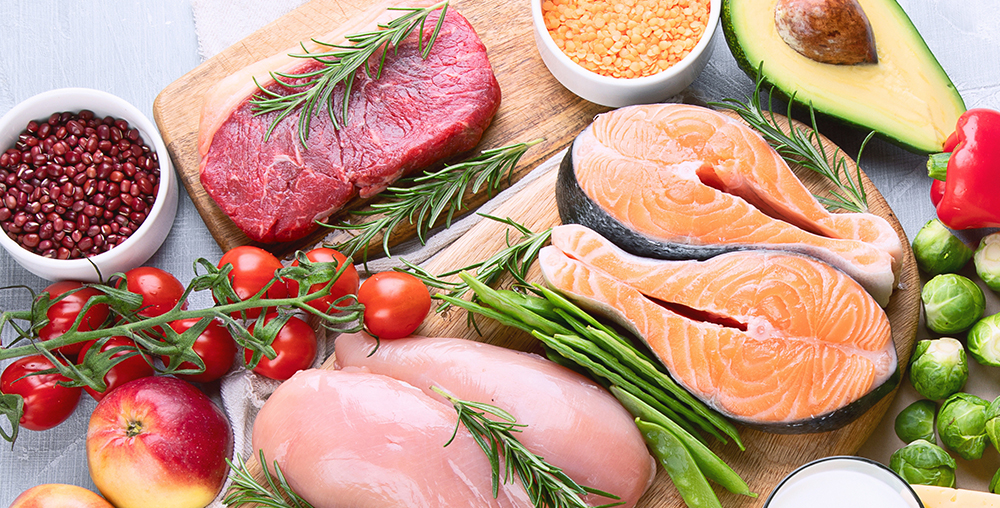
RFK Jr. spoke about the massive, nearly 500-page dietary guidelines document that greeted him after he was sworn in. He was told it was finalized and ready for release. Instead, he dismissed it as a byproduct of special interest groups rather than nutritional clarity. His solution? A streamlined, 10-page guideline developed by nutrition experts from top universities. The result is a single, radical idea: Eat Real Food. These new guidelines have effectively flipped the old food pyramid upside down, placing high-quality animal protein and whole foods at the foundation of the American diet.
Secretary Kennedy highlighted a sobering reality: the meteoric rise of metabolic dysfunction in the U.S., with 10-12% of Americans now facing diabetes and another 38% considered prediabetic. He didn’t mince words when describing “food-like substances”—highly engineered products with little to no nutrient value designed to block satiety signals and keep you eating.
This isn’t just a policy shift; it’s a market mandate. For years, meat has been the “bad guy.” Today, the spotlight has shifted, and we are center stage as the solution. If you are in the meat processing business and aren’t leaning into this, it’s time to pause the daily grind and consider how you can give even more consumers “permission” to enjoy your products.
Meat as the Original “Food as Medicine”
At Midan, we’ve been tracking the “Food as Medicine” trend as it moves from clinical settings to the meat case. Consumers are no longer just eating to feel full; they are eating for function and longevity. This has created two overlapping consumer segments:
- The Functional and Holistic Segment: Consumers are all about disease prevention. They are looking for label transparency and seek out claims (e.g. NAE, organic, grass-fed, etc.), which makes them a subset of the Claim Seekers segment within Midan’s current Meat Consumer Segmentation.
- The Longevity & Keto/Carnivore Segment: Shoppers who view animal protein as the ultimate “clean fuel” for blood sugar stability and long-term cellular health.
For both, high-quality animal protein has transitioned from a great-tasting dinner staple to a metabolic necessity.
A nod to GLP-1
While food as medicine is on the rise, so are prescriptions that help with weight loss. Meat is just as important with these consumers too. GLP-1 users, for example, eat significantly less volume but require high protein density to prevent muscle loss.
Marketing to the 2026 Consumer
For packers and branded programs, this is the time to pivot from “commodity” language to “wellness” language. To capture the highest sales premiums, focus your messaging on these three pillars:
- Protein Density: Emphasize “Nutrient-per-Bite.” Appeal to both the functional/holistic consumer as well as the GLP-1 user who needs 30g of protein in a small window, and the Carnivore enthusiast who values the satiety of fat and protein over “empty” carbs.
- Bioavailability & Muscle Integrity: Remind consumers that real meat is a “complete” protein. Unlike plant-based alternatives, the essential amino acids, iron, and B12 found in beef, pork, poultry, and lamb are naturally occurring and highly bioavailable, making them the most efficient tools for fighting muscle loss.
- The “Single Ingredient” Advantage: In an era of skepticism toward “ultra-processed” foods, lean into the simplicity of our product. “100% Real Beef” or “Simply Pork” are powerful health claims in 2026.
The Power of the Package
We have seen the impact of shouting protein from the rooftops, or at least from the tray pack. Calling out specific protein grams per serving is a highly influential message for these metabolic and longevity-focused segments.
If you take a walk through the meat case today, you’ll see that protein call-outs have moved front and center. Using bold, clean icons that highlight “25g of Protein per Serving” signals immediate value. It transforms a raw ingredient into a functional health tool right at the point of purchase.
A Pro-Tip: Consistency is your greatest ally here. Whether it’s an on-pack sticker, a shelf-talker, or a social media header, the goal is to shift the consumer’s mindset. You want them to know they are making a smart health decision, not just picking up meat for tonight’s dinner. When “28g Protein / 0g Carbs” is the first thing they see, the price per pound can become secondary to the value per nutrient.
The Bottom Line
Here is one more mental shift to reflect on: We are no longer just selling “meat.” We are providing strategic nutrient delivery. With the rise of GLP-1s and a federal shift toward “real food,” the industry has a rare tailwind. By highlighting nutrient density and the metabolic benefits of real meat, you aren’t just selling a product—you’re providing a solution to a national health priority. By maintaining a disciplined approach to health-forward messaging, your brands can turn this moment into a foundation for long-term, premium growth.
Your Turn: Is “nutrient delivery” part of your brand’s vocabulary yet? I’m curious to hear how your customers are reacting to the rise of GLP-1 and longevity diets. Share your thoughts below!